Before electronic tuners were clipped to headstocks and glowing with green lights, tuning an instrument was a quieter, more attentive process. It required listening - really listening - and it was something we learned by doing, not by looking at a screen.
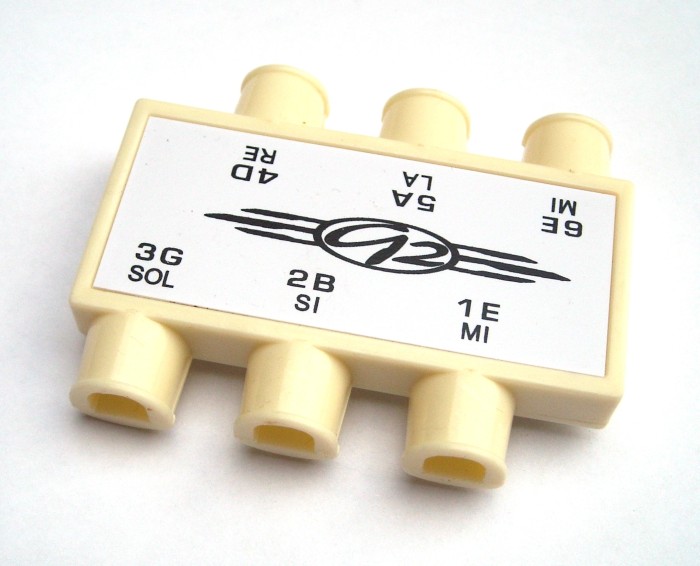
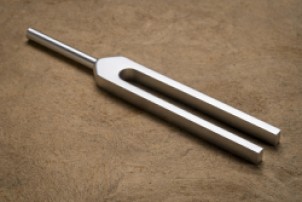
When I first learned to tune a guitar, I was taught to use a pitch pipe. You blew gently, listened carefully, and matched the sound as best you could. In school, we often used a tuning fork, struck softly and held close, its single pitch ringing just long enough to guide us. These tools didn’t do the work for you; they simply gave you a reference point. Everything else depended on your ear.
Tuning was also never done in isolation. There was an unspoken understanding that instruments existed in relationship to one another. If there was a piano or organ available, that became the anchor. Those instruments held the center, and everyone else listened and adjusted accordingly.
If we were playing with other musicians and no keyboard was present, we tuned to the instrument most likely to be stable - often a saxophone or clarinet. Wind players, when warmed up, tended to be reliable reference points. The goal wasn’t perfection; it was agreement. Being in tune meant being together.
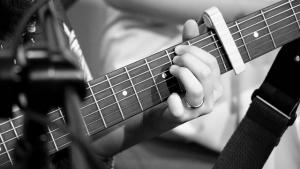
And if nothing else was available - no pitch pipe, no fork, no piano, no other instruments - we tuned the guitar to itself. String by string, listening closely, adjusting until the chords sounded right to our ear. The guitar might not have been concert pitch, but it could still sound good. In many cases, that mattered more.
What all of these methods had in common was attention. Tuning took time. It required patience. It trained the ear to hear relationships between pitches rather than relying on an external authority. Over time, that kind of listening became second nature. You didn’t just tune - you noticed.
Modern electronic tuners are a wonderful convenience. I use a clip-on tuner daily, and I appreciate how quickly it gets me oriented. They’re especially helpful in noisy environments or when switching instruments. But I don’t see them as replacements for listening. They’re companions; tools that assist, not substitutes for the ear.
What I value most about learning to tune the old way is that it taught me something lasting: music begins with listening. Technology can make things faster, but it’s the ear that keeps us connected - to our instruments, to other musicians, and to the sound we’re trying to make together. And that, to me, still matters.